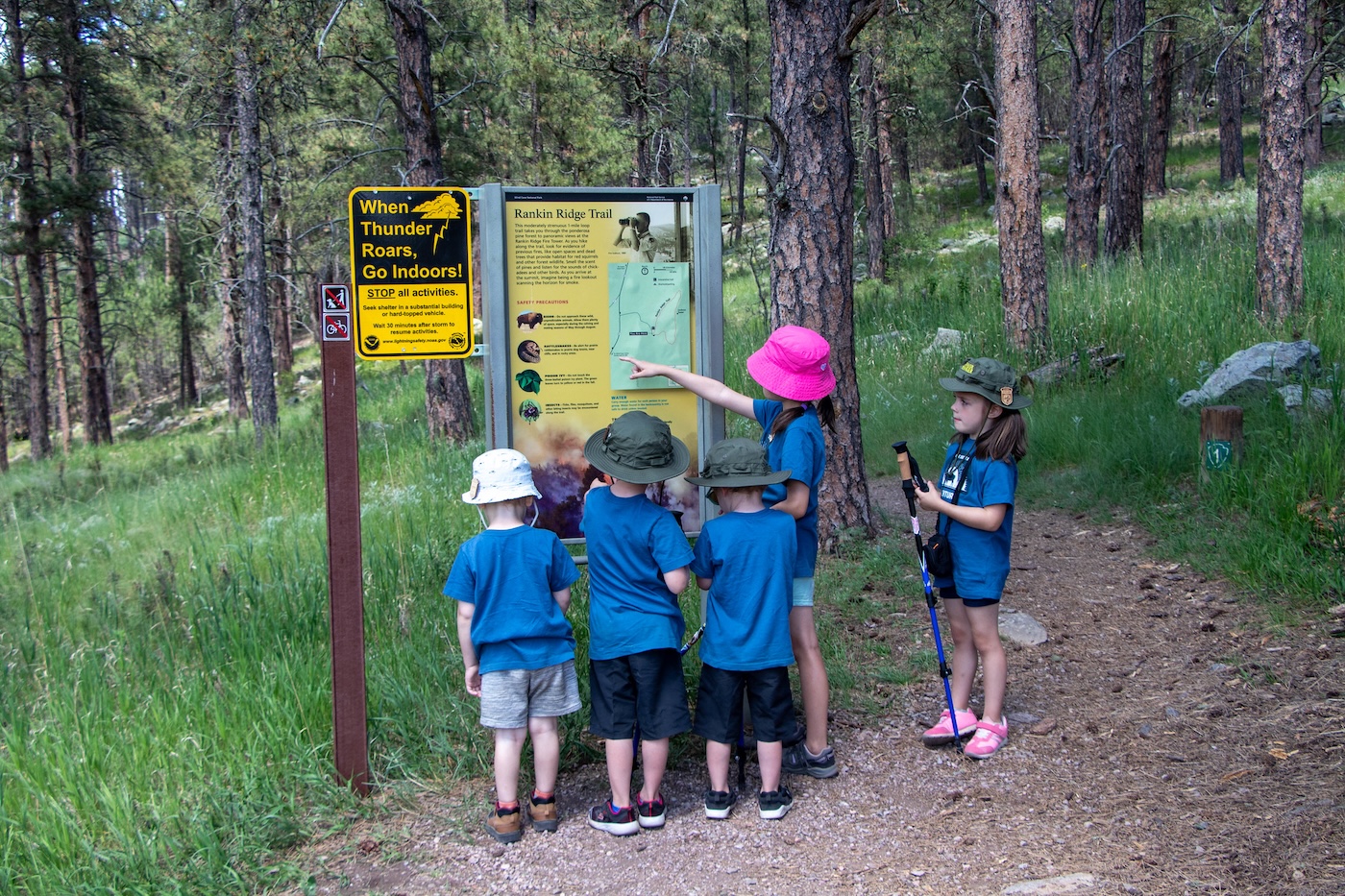
How trail designation affects safety outcomes for hikers, equestrians, and motorized users sharing national forest lands.
Trail users often select routes based on the type of experience they're seeking. Many hikers and equestrians intentionally choose trails separated from motorized use, largely for safety reasons — fast-moving OHVs and narrow trail tread can leave little room to step aside, particularly where vegetation or terrain limits visibility and reaction time.
This concern is heightened for hikers traveling with children and for equestrians, where a startled horse can pose risk to both animal and rider. Trail organizations have documented on-trail encounters between horses and OHVs that resulted in injury. Motorized users report similar safety concerns when they unexpectedly encounter non-motorized visitors on shared trails.
Clear, mapped designations give all user types the ability to anticipate what kind of traffic they may encounter on a given trail — reducing the likelihood of surprise encounters and the safety risks that come with them.