United4Trails
Section-by-Section

Section-by-Section Recommendations

Specific proposals for refining the rule's public involvement, designation criteria, and route identification provisions.

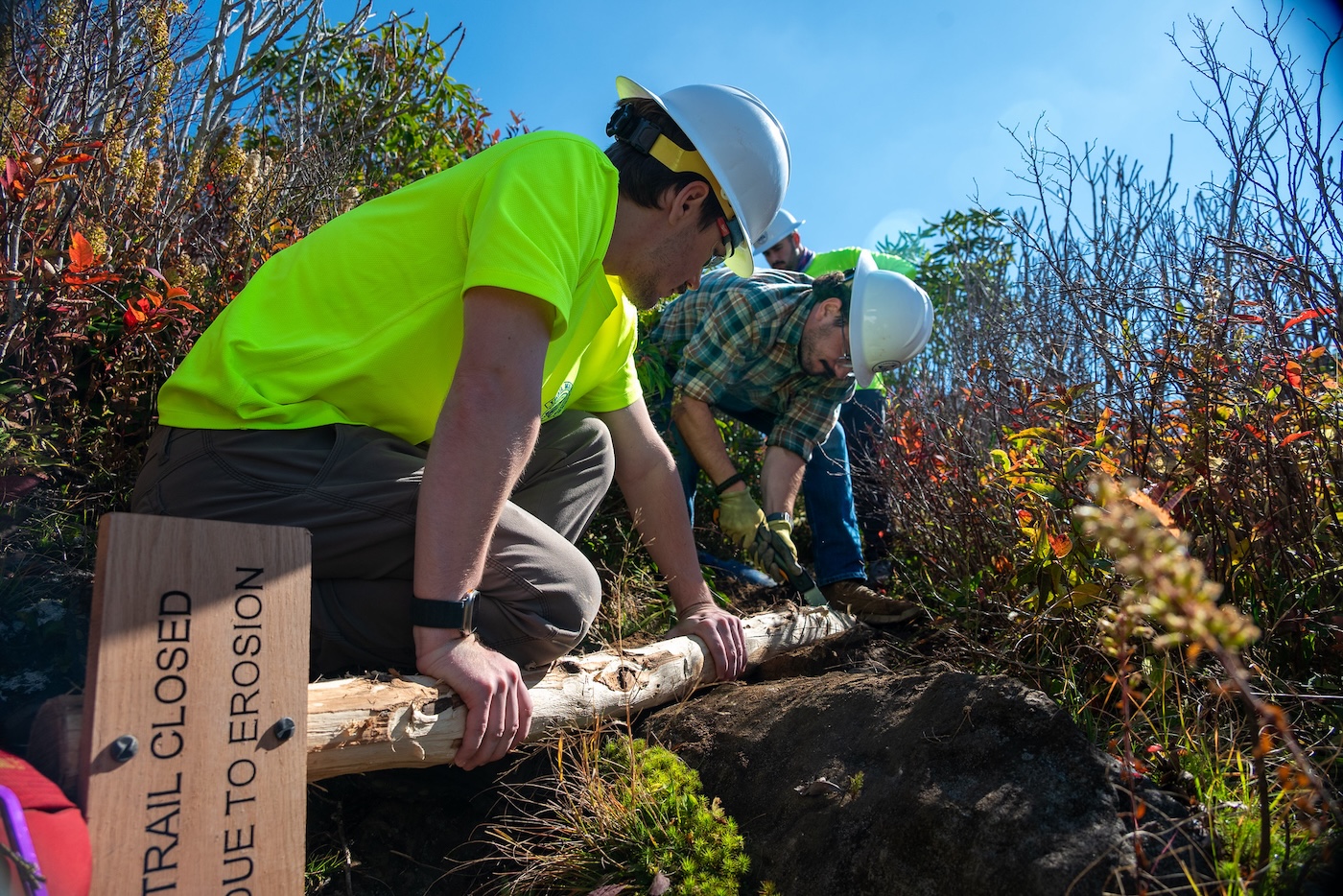
Volunteers installing a backcountry trail sign
36 CFR 212.52 — Public Involvement

Public involvement

Public involvement in local decision-making has been a core strength of the current rule, helping ensure that affected stakeholders are heard and that designations carry broad understanding and support. Two proposed refinements aim to keep that process intact while easing administrative burden:

  • More frequent Motor Vehicle Use Map updates — encouraging forests to periodically revisit MVUMs through a locally based planning process, rather than treating the original designation as a one-time exercise.
  • Consideration of maintenance and staff capacity — factoring ongoing maintenance needs and administrative resources into designation decisions, rather than rejecting proposals solely because they weren't part of the original travel management plan.
36 CFR 212.55 — Criteria for Designation

Criteria for designation of roads, trails, and areas

This section is generally viewed as a foundational safeguard and a candidate for remaining unchanged. It requires forest planners to weigh a defined set of criteria before designating any route for motorized use:

  1. Damage to soil, watershed, vegetation, and other forest resources
  2. Harassment of wildlife and disruption of wildlife habitat
  3. Conflicts between motorized use and existing or proposed recreational uses
  4. Conflicts among different classes of motorized use
  5. Compatibility with existing conditions in populated areas, including sound and emissions

Applied consistently, these criteria help ensure designation decisions are grounded in objective factors rather than made arbitrarily.

36 CFR 212.56 — Identification of Designated Routes

Identification of designated roads, trails, and areas

Motor Vehicle Use Maps are the primary tool for communicating designations to the public. Suggested improvements focus on making that information more accessible and giving forest managers more tools to manage shared use:

  • Improved public access to maps — including smartphone-accessible versions alongside clearer printed maps.
  • Broader use of management tools — seasonal restrictions, signage, entry quotas, reroutes, and similar measures to manage designated routes more precisely.
  • Volunteer-supported trail hardening — leveraging volunteer capacity to supplement limited agency resources.
  • A public education component — built into travel management plans to support visitor compliance with designations.