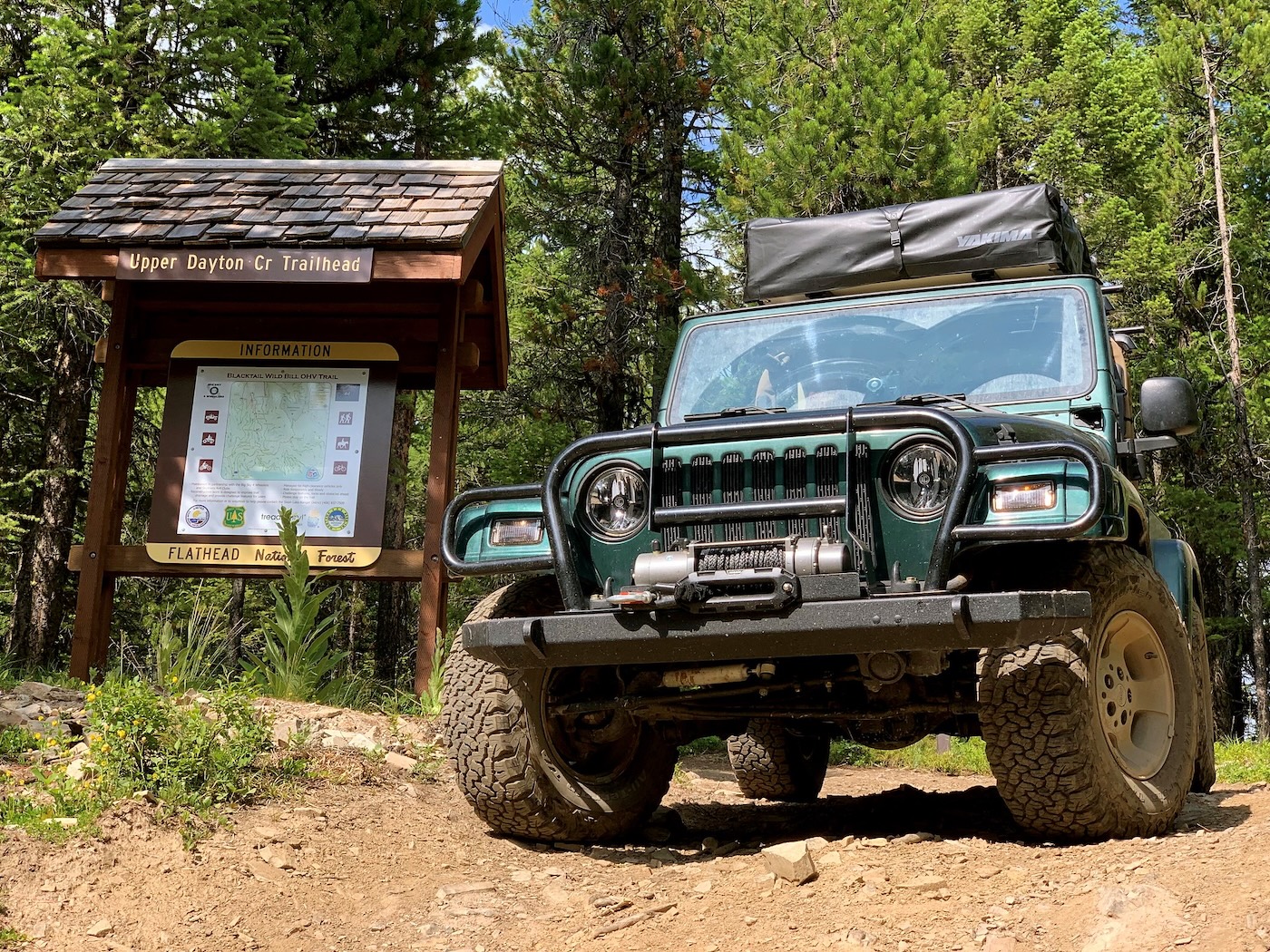
An overview of how motorized use is determined on national forest trails today, and what changing that framework could mean.
Under the current rule, motorized and non-motorized trail communities operate within a system built over two decades to reduce user conflict. Each national forest's Motor Vehicle Use Map documents exactly which trails, roads, and areas are open to motorized use — the result of extensive local public involvement that included motorized recreationists, non-motorized user groups, land managers, and conservation stakeholders.
A proposal now under consideration would reverse the default: rather than motorized use being authorized only where designated, trails would be presumed open to motorized use unless specifically posted closed.
Reversing the default would affect all user groups. Trail communities that have organized around two decades of designated-use clarity — including maintenance commitments, safety expectations, and local planning agreements — would need to renegotiate those understandings, in many cases without the same level of public process that produced the original designations.